Creatine monohydrate: evidence for athletes
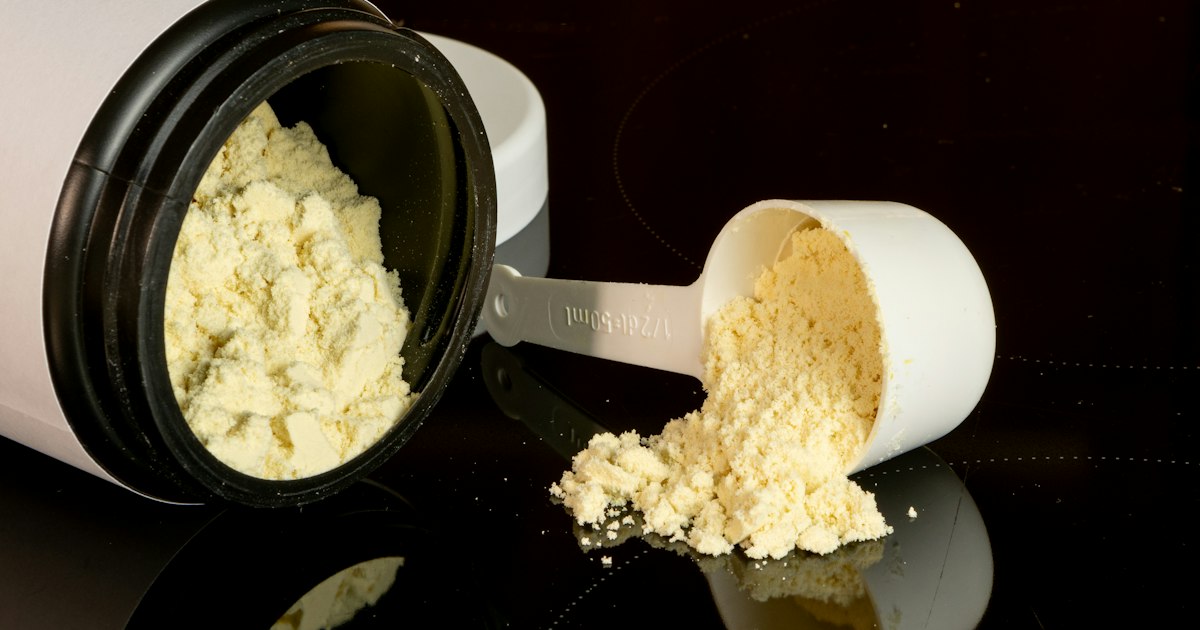
What research shows about creatine monohydrate, strength, repeated high-intensity efforts, muscle mass and differences between sports.
HealthSprit
Read about sports pharmacology, supplements, recovery and health. HealthSprit explores mechanisms, published evidence, uncertainties and potential risks.
All articlesWhat research shows about creatine monohydrate, strength, repeated high-intensity efforts, muscle mass and differences between sports.
How cystatin C helps assess kidney filtration, why muscle mass affects interpretation of creatinine, and when combined estimates are useful.
Symptoms, repeated morning testosterone tests, SHBG and gonadotropins: the principles behind a careful clinical assessment of male hypogonadism.
Why electrolyte products can cause digestive symptoms and interact with health conditions or medicines. Sodium, potassium and magnesium in context.
Key contraindications, pregnancy-related handling precautions, potential interactions and clinical considerations associated with finasteride.
Compare stimulation of growth hormone release with hormone replacement, including mechanisms, clinical research, adverse effects and regulatory context.
Insulin signalling explained: glucose transport, glycogen storage, protein metabolism, potassium balance and the development of insulin resistance.
What a ketogenic diet changes in fuel use, endurance, strength and body composition, and why its suitability depends on the athlete and the sport.
Protein, carbohydrate content, calorie intake and practical differences between mass gainers and protein powders in an athlete’s diet.
A structured overview of methandienone risks involving the liver, cardiovascular system, hormone production, fertility, skin and mental health.
How methenolone interacts with androgen receptors, influences gene transcription and differs from testosterone in metabolism and activity.
Training, sleep environment, stimulants and hormonal changes can all affect night sweating. Explore possible causes and reasons for medical assessment.
What can and cannot be inferred about S23 liver risks from research on SARMs, reported injury patterns and the uncertainty of unregulated products.
Appetite control, body composition and energy availability: why expectations about semaglutide in sport must be compared with clinical evidence.
Understand tesamorelin’s anti-doping classification, the distinction between medical approval and sport rules, and therapeutic use exemptions.
How testosterone enanthate affects cholesterol, blood pressure and hematocrit, and why cardiovascular risk must be assessed in context.
A closer look at common claims about tongkat ali, testosterone, libido and muscle growth, including the limits of the available research.
From laboratory development to veterinary implants: the history of trenbolone acetate and its distinction from historical human formulations.
Compare zinc and magnesium forms, capsules, powders and quality certifications, with attention to bioavailability and total nutrient intake.