
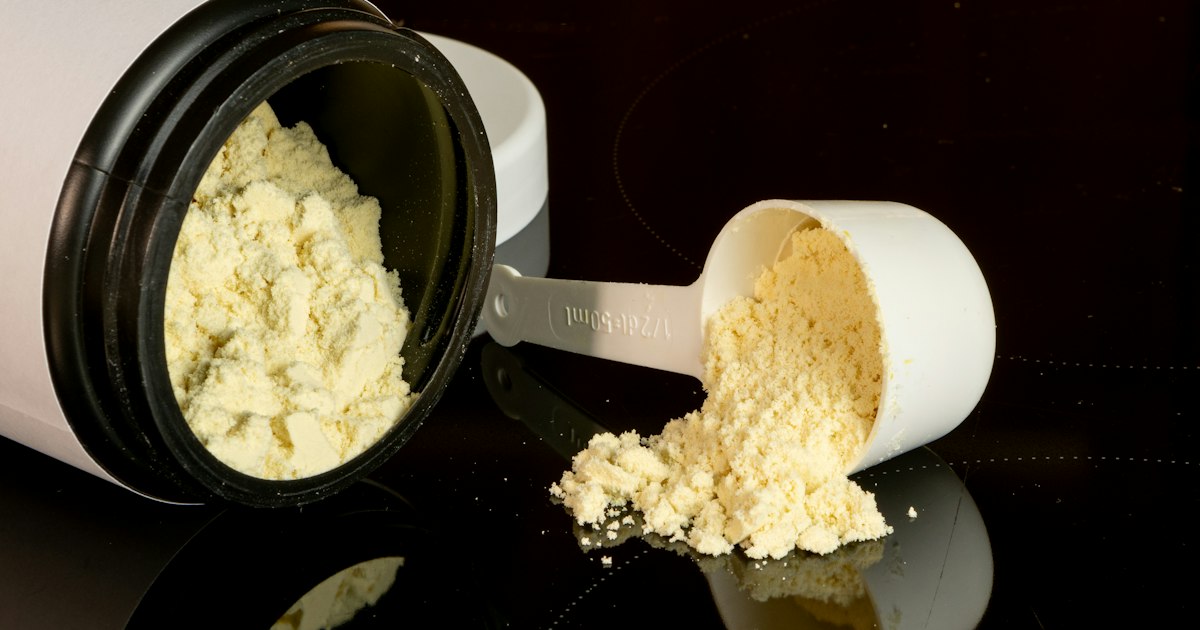
On the shelves of sports nutrition stores, ZMA looks the same: can, capsules, familiar three letters. However, under this name hide products with different forms of minerals, doses and supplements. The editors figured out how they differ and what you should really pay attention to when choosing.
Classic formula and its "clones"
Today dozens of products are sold under the name ZMA, but originally it was a specific patented formula: zinc in the form of monomethionine and aspartate, magnesium in the form of aspartate and vitamin B6 (pyridoxine hydrochloride). This is the product used in studies by Brilla and Conte (2000) and Wilborn et al. (2004).
After the formula became popular, many manufacturers began producing their own versions. Some keep the original chelate forms, others replace them with cheaper ones — zinc oxide or magnesium oxide. The label may still say "ZMA", so the editors advise to always look not at the name, but at the composition and shape of each mineral.
It is important to understand that the mineral on the label is usually indicated in terms of the elemental amount: "magnesium 450 mg" means 450 mg of magnesium itself, not the mass of salt. However, there are products where the mass of the compound is indicated, for example "magnesium aspartate 450 mg" - in this case, there is much less pure magnesium. Reading the label carefully helps to avoid confusion.
Separate versions contain additional ingredients: melatonin, extracts of valerian, ashwagandha, theanine, tribulus. Such complexes can no longer be considered classic ZMA, and they must be evaluated taking into account each component. In particular, melatonin has the status of a medicinal product in a number of countries, and plant extracts can interact with medicines.
Zinc and magnesium forms: what bioavailability studies say
Bioavailability is the proportion of a substance that is absorbed and becomes available to the body. For minerals, it strongly depends on the chemical form. There are practically no direct comparisons of different variants of ZMA in the literature, so we have to rely on the research of individual zinc and magnesium salts.
For zinc, a randomized study by Wegmüller et al. (2014) is indicative: zinc absorption from citrate was comparable to gluconate and higher than from oxide. Therefore, organic salts and chelates are on average more reliable than the oxide, although the difference is not always of practical importance to non-deficient individuals.
For magnesium, the classic works of Lindberg et al. (1990) and Walker et al. (2003) showed that organic compounds, particularly citrate, are absorbed better than oxide. Aspartate, which is used in the original ZMA, is also an organic salt with a solubility higher than that of the oxide.
It should be noted that higher bioavailability is not always an advantage. The more magnesium reaches the intestines in dissolved form and is absorbed, the more precisely the dose should be followed; at the same time, the remains of unabsorbed magnesium in the intestines are responsible for the laxative effect. Therefore, the correct form and moderate dosage work together.
| Form | Examples in ZMA products | What is known about assimilation | Editorial comment |
|---|---|---|---|
| Zinc monomethionine/aspartate | Original formula | Chelated organic form; there are few direct comparisons | Reliable, but more expensive option |
| Zinc citrate, gluconate | Budget analogues | Comparable to each other, higher than oxide (Wegmüller, 2014) | Good value for money |
| Zinc oxide | The cheapest products | Lower suction | Less preferred choice |
| Magnesium aspartate, citrate | Original and most analogues | Organic salts, better than oxide | Optimal forms |
| Magnesium oxide | Cheap products | Low absorption rate | More often causes weakness |

Capsules, tablets, powder and liquid
The most common form of ZMA is gelatin or vegetable capsules, usually three per serving for men. The capsules are convenient, tasteless, and allow you to easily adjust the amount. The minus is the large size due to the bulky compounds of magnesium, so it is difficult for some people to swallow them.
Tablets occur less often. To hold a large mass of powder, the tablet is pressed with binders, and it can dissolve more slowly. For reliable manufacturers, this is not a problem, but when choosing an unknown brand, a pill is a less predictable form than a capsule.
Powdered ZMA-complexes are diluted in water in the evening. Their advantage is the ability to accurately measure a smaller dose and the absence of large capsules. Disadvantages — a specific metallic or bitter taste, as well as the need for a measuring spoon; flavorings and sweeteners are also more often used in powders.
Liquid and effervescent forms are niche. They may dissolve more quickly, but often contain sugar, sodium, or acids for stabilization. For people who are controlling their sodium intake, effervescent tablets are not the best option.
- Capsules are the best option for most people.
- Tablets are acceptable if the manufacturer is reliable and has quality assurance.
- Powder — convenient for flexible dosing, especially for women.
- Effervescent and liquid forms - only for special needs, due to additional components.
Quality, certification and risk of contamination
For athletes undergoing doping control, the form of release is less important than the reliability of the manufacturer. The International Olympic Committee Consensus on Dietary Supplements (Maughan et al., 2018) clearly states that some supplements on the market may be contaminated with prohibited substances, including stimulants and prohormones, even if they are not listed on the label.
ZMA is a simple mineral supplement by nature, but it is often manufactured along the same lines as "testo boosters" and pre-workout complexes. Therefore, the editors advise choosing products that have been independently verified in sports supplement certification programs, such as Informed Sport or NSF Certified for Sport.
Other signs of quality — the shape of each mineral, the amount of elemental zinc and magnesium, the batch number and expiration date, the manufacturer's contacts are clearly indicated. Doubt should be caused by the wording "proprietary mixture" without disclosing doses, as well as loud promises about "increasing testosterone by tens of percent".
The price is also an indicator. The product, which is significantly cheaper than analogues, most likely contains oxide forms or smaller doses. This isn't always a bad thing, but it's worth understanding exactly what you're paying for and comparing the cost per serving and per mineral.
How to choose a ZMA: a step-by-step approach
The editors suggest looking at the choice of ZMA like the choice of any mineral supplement: first understand the need, then evaluate the composition, and only at the end - the brand and packaging. This procedure helps not to overpay for marketing.
The first step is to check whether you are already getting enough zinc and magnesium from your diet and other supplements. If you take a multivitamin, some of the ZMA serving may be too much, so it's best to choose a product with flexible dosing options, such as a powder or capsules with a smaller amount.
The second step is to evaluate the shapes of the minerals. Organic salts and chelates of zinc and magnesium are optimal. The third step is to check the dose of B6, especially with regard to the new EFSA upper level (12 mg per day): foods with "enhanced" B6 content do not provide benefits, but increase the risk of excess.
The fourth step is to make sure of the quality: the presence of independent certification, a transparent composition and a reliable seller. And finally, take into account the convenience: the size of the capsules, the amount per serving, the taste of the powder. A supplement that is inconvenient to take is rarely taken regularly.
- Estimate the need and other sources of zinc and magnesium.
- Choose organic forms of minerals.
- Check the content of B6 and additional ingredients.
- Prefer certified products.
- Choose the release form convenient for you.
Editorial conclusion
The name "ZMA" on the jar does not guarantee the same composition: products differ in mineral forms, doses and additional ingredients. It is worth focusing on the elemental content of zinc and magnesium and on the chemical form of each component.
Organic salts and chelates are generally better absorbed than oxides, and capsules remain the most convenient and predictable form of release. The powder is suitable for those who need to flexibly reduce the dose.
For athletes undergoing doping control, independent product certification should be the deciding factor, not shape or price.
To complete the picture, we advise you to read our materials "How to take ZMA: dosage, time of administration, duration", "Zinc: forms of release and which one to choose" and "Myths about ZMA".
References
- Brilla LR, Conte V. Effects of a novel zinc-magnesium formulation on hormones and strength. J Exerc Physiol Online. 2000;3(4):26â36.
- Wilborn CD, Kerksick CM, Campbell BI, et al. Effects of zinc magnesium aspartate (ZMA) supplementation on training adaptations and markers of anabolism and catabolism. J Int Soc Sports Nutr. 2004;1(2):12â20.
- Wegmüller R, Tay F, Zeder C, Brnic M, Hurrell RF. Zinc absorption by young adults from supplemental zinc citrate is comparable with that from zinc gluconate and higher than from zinc oxide. J Nutr. 2014;144(1):132â136.
- Lindberg JS, Zobitz MM, Poindexter JR, Pak CY. Magnesium bioavailability from magnesium citrate and magnesium oxide. J Am Coll Nutr. 1990;9(1):48â55.
- Walker AF, Marakis G, Christie S, Byng M. Mg citrate found more bioavailable than other Mg preparations in a randomised, double-blind study. Magnes Res. 2003;16(3):183â191.
- EFSA Panel on Nutrition, Novel Foods and Food Allergens. Scientific opinion on the tolerable upper intake level for vitamin B6. EFSA J. 2023;21(5):8006.
- Maughan RJ, Burke LM, Dvorak J, et al. IOC consensus statement: dietary supplements and the high-performance athlete. Br J Sports Med. 2018;52(7):439â455.