
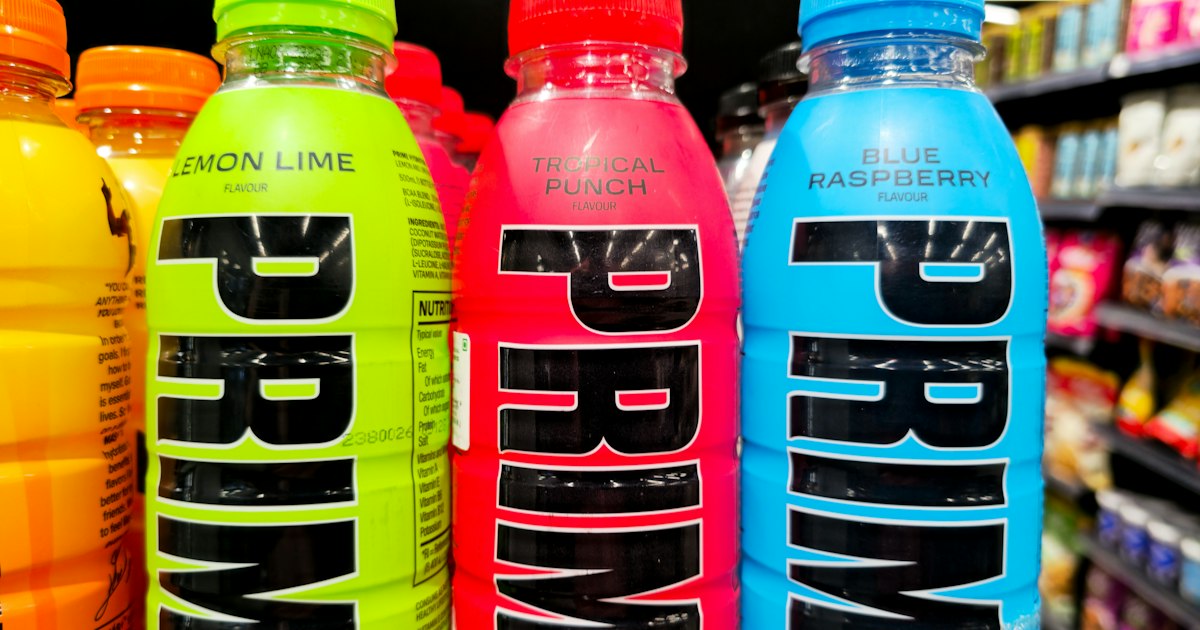
Electrolytes seem like the safest supplement: they're just salt and minerals that are in every plate. However, concentrated powders, effervescent tablets and capsules can cause unwanted effects, from stomach discomfort to dangerous heart rhythm disturbances in people taking certain medications. The editors analyzed which side effects are described, how frequent they are, and who should be more careful.
Why side effects are even possible
In a healthy person, the kidneys cope perfectly with the excess of most electrolytes: excess sodium, potassium, or magnesium are simply excreted in the urine. That is why problems usually arise not from the supplement itself, but from the combination of a large dose, rapid intake, and the limited ability of the body to remove it.
The second factor is the concentration of the solution. An effervescent tablet dissolved in a small volume of water or a double portion of the powder in one glass form a hypertonic solution. It lingers in the stomach and "draws" water into the intestinal lumen, which is manifested by nausea, bloating and diarrhea.
The third factor is composition. Many electrolyte products contain sugar, acids, sweeteners, caffeine, vitamins. A person who thinks they are drinking "just salt" may be getting a noticeable amount of calories, caffeine, or vitamin C, and this has its own consequences.
Finally, the most serious risks are associated with chronic diseases and medications that alter kidney function. For such people, even normal doses of potassium or sodium can be excessive, which we will discuss in more detail below.
Gastrointestinal disorders
The most frequent side effects of electrolytes are from the digestive tract: nausea, a feeling of heaviness, bloating, spasms and loose stools. Especially often they occur during running and other loads, when the blood flow in the intestines is reduced and digestion is already slowed down.
Magnesium is distinguished among other minerals by its pronounced laxative effect. Magnesium salts, especially oxide, citrate, and sulfate, are poorly absorbed and attract water to the intestines, which is why some of them are used as laxatives. The US Institute of Medicine has set an upper limit for magnesium from supplements at 350 mg per day for adults specifically because of diarrhea.
Potassium salts in tablets can irritate the mucous membrane of the stomach and esophagus, especially if the tablet is taken with a small amount of water. In medicine, slow-formulations are used to reduce this risk, and patients are advised to take them with meals.
To reduce discomfort, you should dissolve the powder in the volume of water recommended by the manufacturer, drink in small sips, test the product in training, not in competition, and do not combine several electrolyte products at the same time.
| Component | Possible side effects | When the risk is higher |
|---|---|---|
| Sodium | Thirst, edema, increased pressure | Hypertension, heart failure, kidney diseases |
| Potassium | Stomach irritation; with an excess - heart rhythm disturbances | CKD, taking ACE inhibitors, ARBs, potassium-sparing diuretics |
| Magnesium | Diarrhea, spasms; with an excess - weakness, decrease in pressure | Large doses of supplements, reduced kidney function |
| Calcium | Fasting, bloating; in excess - the risk of stones | Concurrent use of high-dose vitamin D |
| Sugar and acids | Excess calories, enamel erosion | Frequent sips during the day |

Sodium and blood pressure
For most adults, excess sodium is a chronic problem of the modern diet. WHO recommends limiting sodium intake to less than 2 g per day, and the ACC/AHA clinical guideline for hypertension (Whelton et al., 2018) includes sodium reduction as part of basic non-pharmacological measures of blood pressure control.
Electrolyte drinks and endurance sports pills can contain hundreds of milligrams of sodium per serving. For an athlete who loses liters of sweat on a long start, this is justified. But a person who drinks such drinks every day "for health" during a sedentary job only increases the already high consumption of salt.
In people with salt-sensitive hypertension, heart failure, kidney disease, or liver cirrhosis, excess sodium causes fluid retention, can increase blood pressure, and increase swelling. The AHA/ACC/HFSA guideline for heart failure (Heidenreich et al., 2022) addresses sodium control as part of the management of such patients.
Acute hypernatremia from electrolyte supplementation is rare in healthy individuals because thirst drives drinking water. The risk increases if a person uses a concentrated solution and does not have free access to water, or in children and the elderly with a reduced sense of thirst.
Potassium and drug interactions
The most dangerous, although relatively rare, side effect is hyperkalemia, that is, an excess of potassium in the blood. It disrupts the electrical activity of the heart and can lead to severe arrhythmias. In healthy people, the kidneys quickly excrete potassium, so the threat is real mainly in the presence of additional factors.
Such factors include chronic kidney disease, as well as taking drugs that reduce potassium excretion: ACE inhibitors, angiotensin receptor blockers, potassium-sparing diuretics (spironolactone, eplerenone, amiloride), some nonsteroidal anti-inflammatory drugs, and trimethoprim. The KDIGO guideline for CKD places particular emphasis on potassium control.
Not only potassium tablets are dangerous for these people, but also potassium chloride-based "salt substitutes" and high-potassium electrolyte powders. A person can take blood pressure medication for years and not suspect that the usual sports drink is not neutral for him.
Symptoms of hyperkalemia are often nonspecific: weakness, tingling, a feeling of heart failure. Any such complaints against the background of potassium supplements are a reason to immediately consult a doctor and have a blood test and ECG done.
Paradoxical and indirect risks
Paradoxically, one of the risks of electrolyte products is a false sense of security. Some athletes believe that if the drink contains sodium, it can be drunk without restriction. However, the consensus of Hew-Butler et al. (2015) emphasizes that most sports drinks are hypotonic relative to plasma and do not prevent hyponatremia with excessive drinking.
Another indirect risk is the condition of the teeth. Many electrolyte drinks are acidic and contain sugar. If you drink them in small sips throughout the day, the enamel is constantly in an acidic environment, which contributes to erosion and caries. Dentists advise to drink such drinks during training, and not to "strain" for hours.
The third aspect is calories and sugar. Classic sports drinks contain carbohydrates, which is useful for a long start, but unnecessary for normal daily use. For people with diabetes or those trying to control their weight, this can be significant.
Finally, quality. Electrolyte supplements as food products are not subject to the same controls as drugs. Mineral content may vary from stated, and combined "energy" formulas may contain stimulants. Athletes should choose certified products.
- Drink electrolytes according to actual sweat loss, not "back up".
- Do not combine several products with potassium or magnesium at the same time.
- Read the composition: caffeine, sugar and vitamins are often "hiding" in the formula.
- After drinking an acidic drink, it is useful to rinse your mouth with water.
Editorial conclusion
For a healthy person who uses electrolytes as prescribed — during prolonged or hot exercise — serious side effects are unlikely. Digestive disorders associated with the concentration of the solution or magnesium occur most often.
Real risks appear with chronic kidney and heart diseases, hypertension and taking potassium-sparing drugs. For these people, sodium or potassium supplements can be dangerous and should be discussed with a doctor.
Electrolyte drinks should also not be taken as protection against hyponatremia: you should drink according to thirst and real losses, and not with the idea that "salt compensates for everything."
Read more about the restrictions in the article "Who should not take Electrolytes", and about the correct use - in the articles "How to take Electrolytes: dosage, time of administration, duration" and "Myths about Electrolytes".
References
- Institute of Medicine. Dietary Reference Intakes for Calcium, Phosphorus, Magnesium, Vitamin D, and Fluoride. Washington, DC: National Academies Press; 1997.
- World Health Organization. Guideline: Sodium intake for adults and children. Geneva: WHO; 2012.
- Whelton PK, Carey RM, Aronow WS, et al. 2017 ACC/AHA/AAPA/ABC/ACPM/AGS/APhA/ASH/ASPC/NMA/PCNA guideline for the prevention, detection, evaluation, and management of high blood pressure in adults. Hypertension. 2018;71(6):e13âe115.
- Heidenreich PA, Bozkurt B, Aguilar D, et al. 2022 AHA/ACC/HFSA guideline for the management of heart failure. Circulation. 2022;145(18):e895âe1032.
- Kidney Disease: Improving Global Outcomes (KDIGO) CKD Work Group. KDIGO 2024 clinical practice guideline for the evaluation and management of chronic kidney disease. Kidney Int. 2024;105(4S):S117âS314.
- Hew-Butler T, Rosner MH, Fowkes-Godek S, et al. Statement of the Third International Exercise-Associated Hyponatremia Consensus Development Conference, Carlsbad, California, 2015. Clin J Sport Med. 2015;25(4):303â320.
- McDermott BP, Anderson SA, Armstrong LE, et al. National Athletic Trainers' Association position statement: fluid replacement for the physically active. J Athl Train. 2017;52(9):877â895.