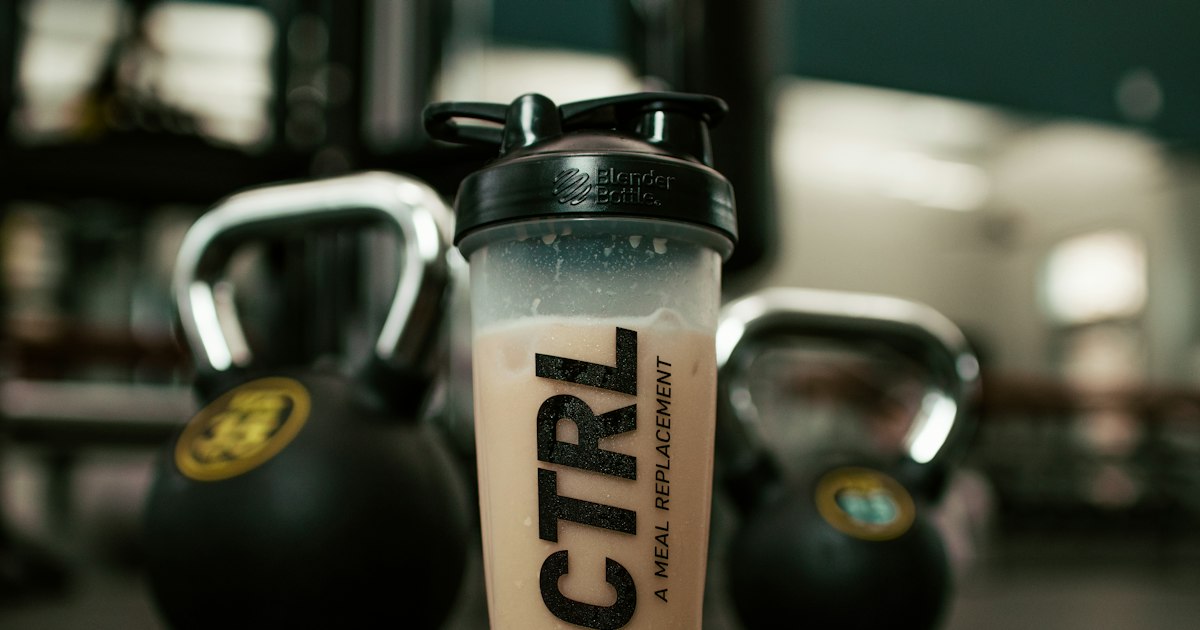
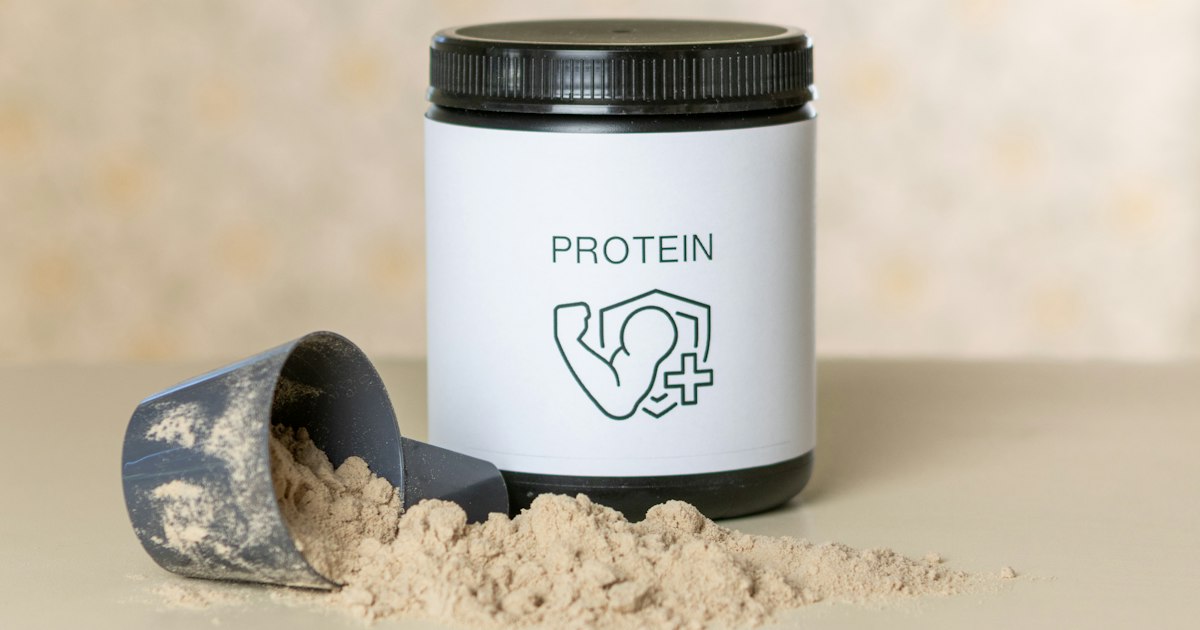
Gainer and protein stand on the adjacent shelves of sports stores, and beginners often consider them to be different "strengths" of the same supplement. In fact, these are products with different purposes: protein is a concentrated source of protein, gainer is a high-calorie mixture of carbohydrates and protein. The editors explain the difference and how to understand what exactly you need.
What is protein and what is gainer
Protein in sports nutrition is called powder, the main part of which is protein. The most common raw materials are milk whey (concentrate, isolate, hydrolyzate), as well as casein, egg white, soy, pea or rice protein. In quality products, protein makes up approximately 70-90% of the mass, and carbohydrates and fats are very little.
Gainer (from the English gain - "to gain") is a protein-carbohydrate mixture created to increase the caloric content of the diet. The basis of the gainer is usually fast and medium carbohydrates: maltodextrin, dextrose, sometimes oat or rice flour. Protein in gainers is less, most often 10–30% of the mass.
So, the main difference is in function. Protein helps to get protein without extra calories. Gainer helps to get energy when it is difficult to do it with ordinary food. Protein can be used by almost anyone, and a gainer is a narrow tool for a specific situation.
Both products are common dietary supplements. They do not contain hormones or "anabolics" and do not have any unique properties: the effect is determined by how they fit into the general daily diet, the amount of protein and energy balance.
Composition and calorie content
The easiest way to see the difference is to compare typical servings. A serving of protein is usually 25–35 g of powder, which gives about 20–25 g of protein and about 100–140 kcal. A portion of gainer can be 100-150 g of powder and provide several hundred kilocalories, most of which are carbohydrates.
| Index (approximately per portion) | Whey protein | Typical gainer |
|---|---|---|
| Mass of powder | 25–35 g | 80–150 g |
| Protein | 20–27 g | 15–40 g |
| Carbohydrates | 1–5 g | 50–110 g |
| Energy | ~100–140 kcal | ~350–700 kcal |
| Main purpose | Selection of protein | Selection of calories |
The numbers in the table are ranges typical of the market, not the norm. The composition of a particular product should always be checked on the label: some gainers have a ratio of protein to carbohydrates of about 1:1, others - 1:4 and even more. It depends on how much the product differs from protein with added carbohydrates.
The carbohydrate part of the maltodextrin and dextrose gainer is quickly absorbed and increases the level of glucose in the blood. For an active athlete after a long workout, this may be appropriate, but for a person with a sedentary lifestyle, such a portion is actually a sweet protein drink.
The price per gram of protein in a gainer is usually higher than in protein, because a significant part of the mass is cheaper carbohydrates. Therefore, if the goal is protein, the gainer is the least economical option.

Who needs a gainer
Gainer makes sense for people who objectively find it difficult to eat enough calories: thin young athletes with high energy expenditure, representatives of sports with a large training volume, people with a weak appetite. Gaining mass requires a stable energy surplus, and liquid calories are easier to "fit in" than another plate of food.
The ISSN and ACSM position papers emphasize that the energy and carbohydrate needs of athletes depend on the amount of exercise and can be significant. For endurance disciplines and several training sessions per day, the selection of carbohydrates is a separate task, and a gainer can be one of the convenient tools here.
At the same time, a gainer is never mandatory. The same effect is given by a homemade cocktail made of milk, oatmeal, a banana and a spoonful of protein. This option is often cheaper and contains more fiber, vitamins and minerals.
Signs that a gainer may be appropriate:
- body weight does not increase for weeks, despite training and trying to eat more;
- the volume of food causes discomfort, and the appetite is low;
- training volume is large, there is not enough time for full meals;
- no problems with glucose control and excess weight.
Who needs protein
Protein is a more versatile product. It is useful for those who do not get protein from ordinary food: vegetarians, people on a calorie deficit, athletes with high needs, elderly people who find it difficult to eat enough meat, fish or dairy products.
ISSN in the position paper (Jäger et al., 2017) guides active people to 1.4–2.0 g of protein per kilogram of body weight per day. A meta-analysis by Morton et al. (2018) showed that protein supplementation during strength training provided a small but statistically significant increase in lean mass, and above approximately 1.6 g/kg of additional protein on average no longer enhanced the effect.
During weight loss, protein is especially useful: high protein content helps preserve muscle mass and satiates better. A gainer in this situation, on the contrary, prevents you from achieving your goal due to its high calorie content.
Protein is also more convenient to dose. One or two servings a day easily fit into any diet, and the rest of the calories a person gets from ordinary food, which can be adjusted to his needs.
Typical selection errors
The most common mistake is to buy gainer "for muscles", having excess fat mass or a sedentary lifestyle. In this case, the weight will really increase, but mostly due to fat. The second mistake is to consider a gainer as a "more powerful" protein: it usually contains less protein, not more.
The third mistake is to replace full nutrition with supplements. Both protein and gainer do not contain a significant amount of fiber, trace elements and polyphenols, which are found in ordinary products. The supplement should cover the deficiency, and not be the basis of the diet.
The fourth mistake is to ignore the composition. Some cheap gainers contain mostly sugar, and some proteins contain a significant proportion of vegetable fillers or free amino acids that inflate the protein value on the label. Independent quality certificates help to avoid this.
Finally, many do not consider individual tolerance. Whey concentrate and milk-based gainers can cause bloating in people with lactose intolerance. In this case, the best choice is isolate or vegetable proteins.
Editorial conclusion
Protein is a concentrated protein for selecting a protein norm with a minimum of calories. A gainer is a high-calorie mixture of mainly carbohydrates with protein for those who find it difficult to get energy.
For most people exercising for health, fitness, or weight loss, protein is the smarter choice. The gainer is suitable for a narrow group with high energy expenditure and difficulties with mass gain.
In any case, the basis of progress remains training, the total caloric content of the diet and a sufficient amount of protein from food. The supplement only helps to close the gap between the need and the actual nutrition.
We also advise you to read our articles on types of whey protein, on calculating daily protein needs and on carbohydrates for post-workout recovery.
References
- Jäger R, Kerksick CM, Campbell BI, et al. International Society of Sports Nutrition Position Stand: protein and exercise. J Int Soc Sports Nutr. 2017;14:20.
- Kerksick CM, Wilborn CD, Roberts MD, et al. ISSN exercise & sports nutrition review update: research & recommendations. J Int Soc Sports Nutr. 2018;15(1):38.
- Thomas DT, Erdman KA, Burke LM. American College of Sports Medicine Joint Position Statement. Nutrition and athletic performance. Med Sci Sports Exerc. 2016;48(3):543â568.
- Morton RW, Murphy KT, McKellar SR, et al. A systematic review, meta-analysis and meta-regression of the effect of protein supplementation on resistance training-induced gains in muscle mass and strength in healthy adults. Br J Sports Med. 2018;52(6):376â384.
- Burke LM, Hawley JA, Wong SH, Jeukendrup AE. Carbohydrates for training and competition. J Sports Sci. 2011;29(Suppl 1):S17âS27.
- Iraki J, Fitschen P, Espinar S, Helms E. Nutrition recommendations for bodybuilders in the off-season: a narrative review. Sports (Basel). 2019;7(7):154.