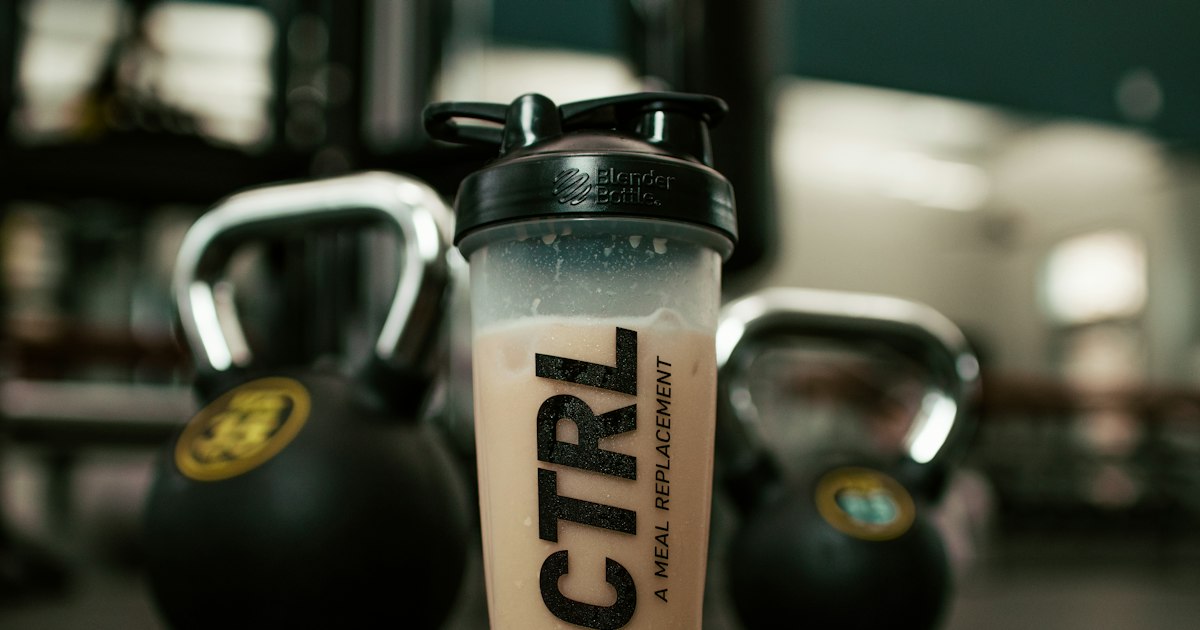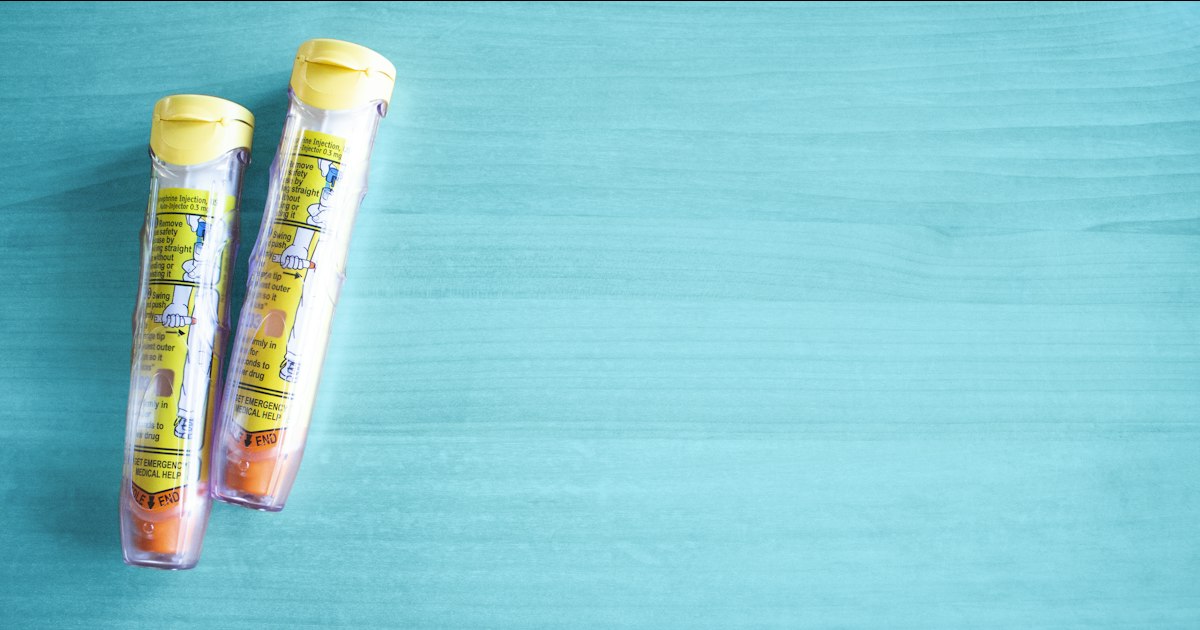

When the drug for the treatment of obesity became known to the whole world, it inevitably became interested in sports: from athletes of weight categories to participants in bodybuilding and fitness competitions. Expectations are simple - easier a fat-loss phase without the pangs of hunger. The editors analyzed the extent to which these expectations correspond to physiology and research data.
Why athletes are interested: appetite during a fat-loss phase
Anyone who has trained for a competition with a calorie deficit knows that the hardest part is not training, but constant hunger. The body reacts to a long-term deficit by increasing hunger signals, decreasing the level of leptin, and decreasing spontaneous activity. That is why most "dry" breaks on eating behavior, and not on insufficient amount of cardio.
Semaglutide acts precisely on this link: it reduces appetite through the centers of hunger and satiety in the brain and slows down the emptying of the stomach. People on the drug describe that it is easy for them to eat less and that the constant thought about food disappears. For an athlete on a diet, this sounds like the perfect solution.
The second factor is the media. Stories about the rapid weight loss of celebrities, active advertising in social networks and the availability of "compounded" versions formed the image of the drug as a "magical" tool for weight control.
The third is a comparison with classic "fat burners". Unlike stimulants or clenbuterol, semaglutide does not cause tremors, insomnia, and heart palpitations as intense, so it seems to many to be a "safer" alternative. As we will show below, it has its own, equally significant risks.
Expectations among different groups of athletes
Motives for use depend on the type of sport. In bodybuilding and fitness, the goal is to minimize fat before going on stage while preserving muscle. In martial arts, weightlifting, rowing, equestrian sports, the main task is to fit into the weight category. In endurance sports, the interest is linked to the idea that lighter weight means better performance.
A separate group is amateurs and recreational athletes for whom semaglutide is a way to speed up "relief" or compensate for overeating. It is here that it is most often used without medical indications and without medical supervision.
| Group | Waiting | Key limitation |
|---|---|---|
| Bodybuilding / fitness | "Drying" without hunger | Loss of lean mass, deterioration of muscle mass |
| Weight categories | Easier to put on weight | Slow pharmacokinetics, risk of dehydration due to GI effects |
| Stamina | Higher power per kilogram of weight | Low energy availability, RED-S risk |
| Amateurs | Quick visible result | Application without indications and control, fakes |
Common in all these expectations is the expectation that the drug will remove the "excess" and not affect the functional. It is this assumption that is weakest supported by the data.

Reality: what happens to muscles
In large clinical trials, semaglutide caused significant weight loss, but it was not just fat loss. In the subgroup of the STEP 1 study, where body composition was measured by the DXA method, lean mass accounted for a significant proportion of the lost weight — about two-fifths. For people with obesity and reduced physical activity, this is expected, but for an athlete, every kilogram of muscle is important.
It is important to understand that participants in the STEP studies did not perform a structured high-protein strength training program. It's logical to assume that weight training and adequate protein partially protect the muscles — this is what happens with any caloric deficit. However, there are almost no controlled studies specifically on trained athletes receiving semaglutide.
The practical problem is that the drug suppresses appetite indiscriminately. It becomes difficult for an athlete to eat not only "extra", but also necessary protein and carbohydrates. The feeling of fullness and nausea make it difficult to follow a food plan, and the deficit often turns out to be deeper than planned.
For bodybuilders, one more detail is added: reducing the volume of food and carbohydrates worsens the filling of muscles with glycogen and "pumping", which visually works against the goal on the stage.
Energy availability and sports performance
In sports medicine, an important concept is energy availability — the amount of energy that remains in the body after training. When it is chronically low, relative energy deficiency syndrome in sports (RED-S) develops: hormonal regulation, menstrual function, bone health, immunity, recovery and, ultimately, performance are impaired.
A drug that reduces appetite for weeks ahead creates a real risk of getting into this condition. An athlete may not notice how little he eats, because the usual signal of hunger is simply absent. The IOC Consensus Statement on RED-S emphasizes precisely that low energy availability often occurs unintentionally.
There is also a pharmacokinetic argument for athletes of weight categories. Semaglutide works for about a week and does not give a controlled "reduction" of weight before weighing. Instead, nausea, vomiting or diarrhea can lead to dehydration and loss of electrolytes at the most unfortunate moment - before the start.
Gastrointestinal effects also interfere with nutrition during long competitions and training. Delayed gastric emptying means that carbohydrate gels and drinks are absorbed more poorly, and abdominal discomfort during intense work increases.
- Risk of a deeper caloric deficit than intended.
- Insufficient intake of protein and carbohydrates.
- Deterioration of recovery and training quality.
- Dehydration due to gastrointestinal reactions.
- Return of weight after withdrawal of the drug.
Anti-doping status, counterfeits, ethics
As of the latest revisions of the WADA Prohibited List, GLP-1 receptor agonists, in particular semaglutide, are not included in it. However, the list is updated each year and the athlete should check the current status of any substance before use. In addition, individual sports organizations may have their own rules.
A much more practical risk is product quality. Due to the shortage of the original drug and the high price, fakes, "research" powders and drugs from unofficial laboratories appeared on the market. Regulators, including the FDA and EMA, have repeatedly warned about counterfeit pens, incorrect dosing and adulteration. For the athlete, this is also a risk of contamination with prohibited substances.
There is also an ethical issue. Using a prescription drug without a medical indication is taking risks for the sake of aesthetics or category, and contributing to drug shortages for patients who need them. For athletes with actual obesity or diabetes, the drug is a legitimate treatment, but the decision must be made by a physician.
Finally, after withdrawal of semaglutide, appetite returns. The STEP 4 study showed gradual weight regain after switching to placebo. For the athlete, this means the risk of "rollback" after the competition, especially if the eating habits have not changed during treatment.
Editorial conclusion
The interest of athletes in semaglutide is understandable: it removes hunger, the main obstacle to dieting. But the drug was created to treat chronic diseases, not to prepare for competitions.
The reality is this: not only fat is lost, but also lean mass; the risk of low energy availability increases; gastrointestinal effects interfere with nutrition and can cause dehydration; after discontinuation, the weight returns.
For the healthy athlete, a well-planned caloric deficit with adequate protein and strength training remains a safer and more predictable path.
The material is exclusively informative. Semaglutide is a prescription drug; it can be used only as prescribed and under the supervision of a doctor.
We also recommend our materials on the side effects of semaglutide, its mechanism of action and the effect of clenbuterol on body composition.
References
- Wilding JPH, Batterham RL, Calanna S, et al. Once-weekly semaglutide in adults with overweight or obesity. N Engl J Med. 2021;384(11):989â1002.
- Rubino D, Abrahamsson N, Davies M, et al. Effect of continued weekly subcutaneous semaglutide vs placebo on weight loss maintenance in adults with overweight or obesity: the STEP 4 randomized clinical trial. JAMA. 2021;325(14):1414â1425.
- Mountjoy M, Ackerman KE, Bailey DM, et al. 2023 International Olympic Committee's (IOC) consensus statement on Relative Energy Deficiency in Sport (REDs). Br J Sports Med. 2023;57(17):1073â1097.
- Drucker DJ. Mechanisms of action and therapeutic application of glucagon-like peptide-1. Cell Metab. 2018;27(4):740â756.
- World Anti-Doping Agency. The World Anti-Doping Code International Standard: Prohibited List. Montreal: WADA; 2024.